September 15, 2026
Heavy-duty recovery teams are essential in ensuring the smooth flow of traffic and maintaining safety on roads by efficiently managing large vehicle incidents. These teams are equipped with specialized tools and trained personnel capable of tackling the complex challenges these incidents present. This article delves into the multifaceted role of recovery teams, highlighting the intricate processes involved in handling large vehicle incidents that require 24 hr heavy duty semi towing.
1. The Challenges of Large Vehicle Incidents
1.1. Types of Large Vehicle Incidents
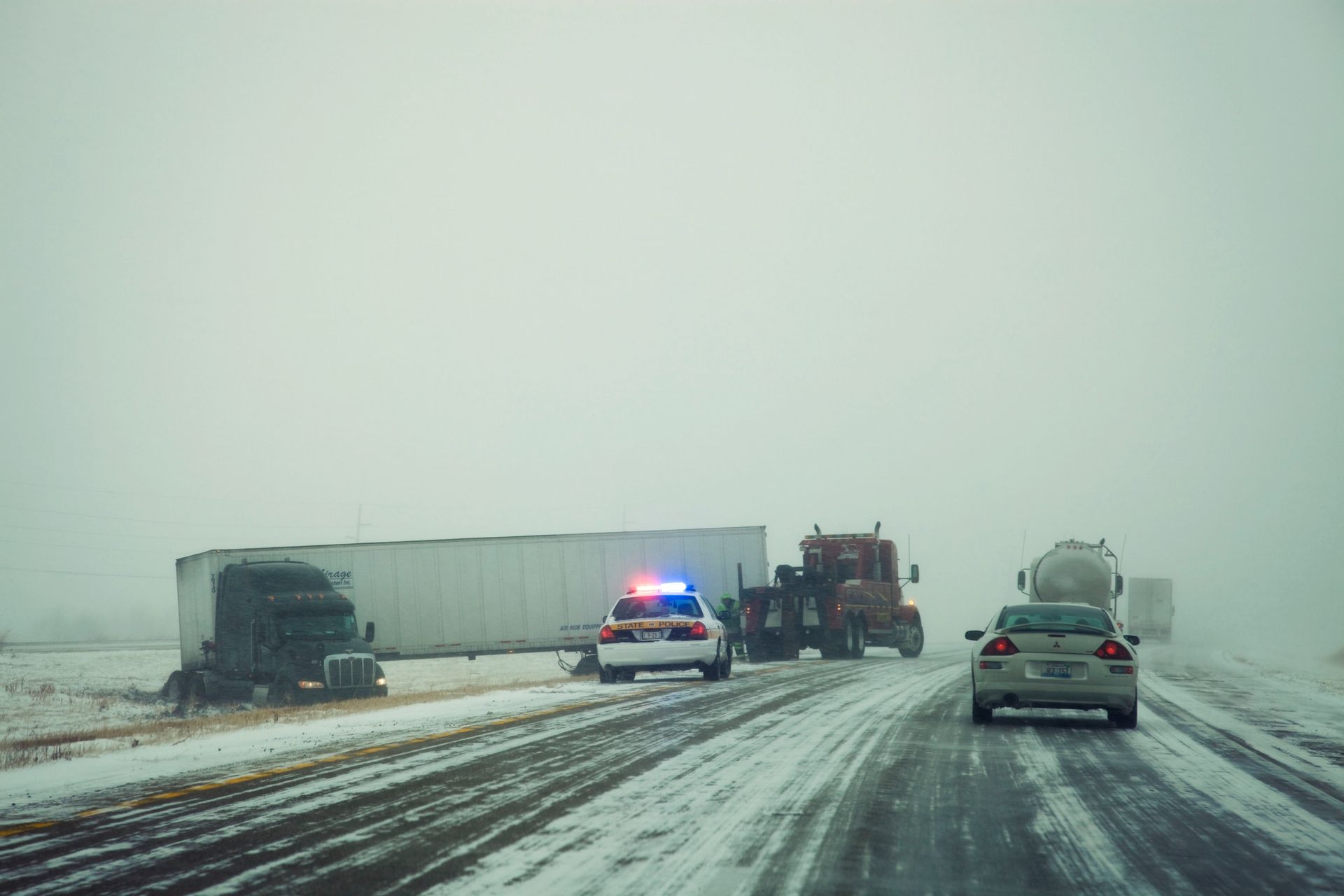
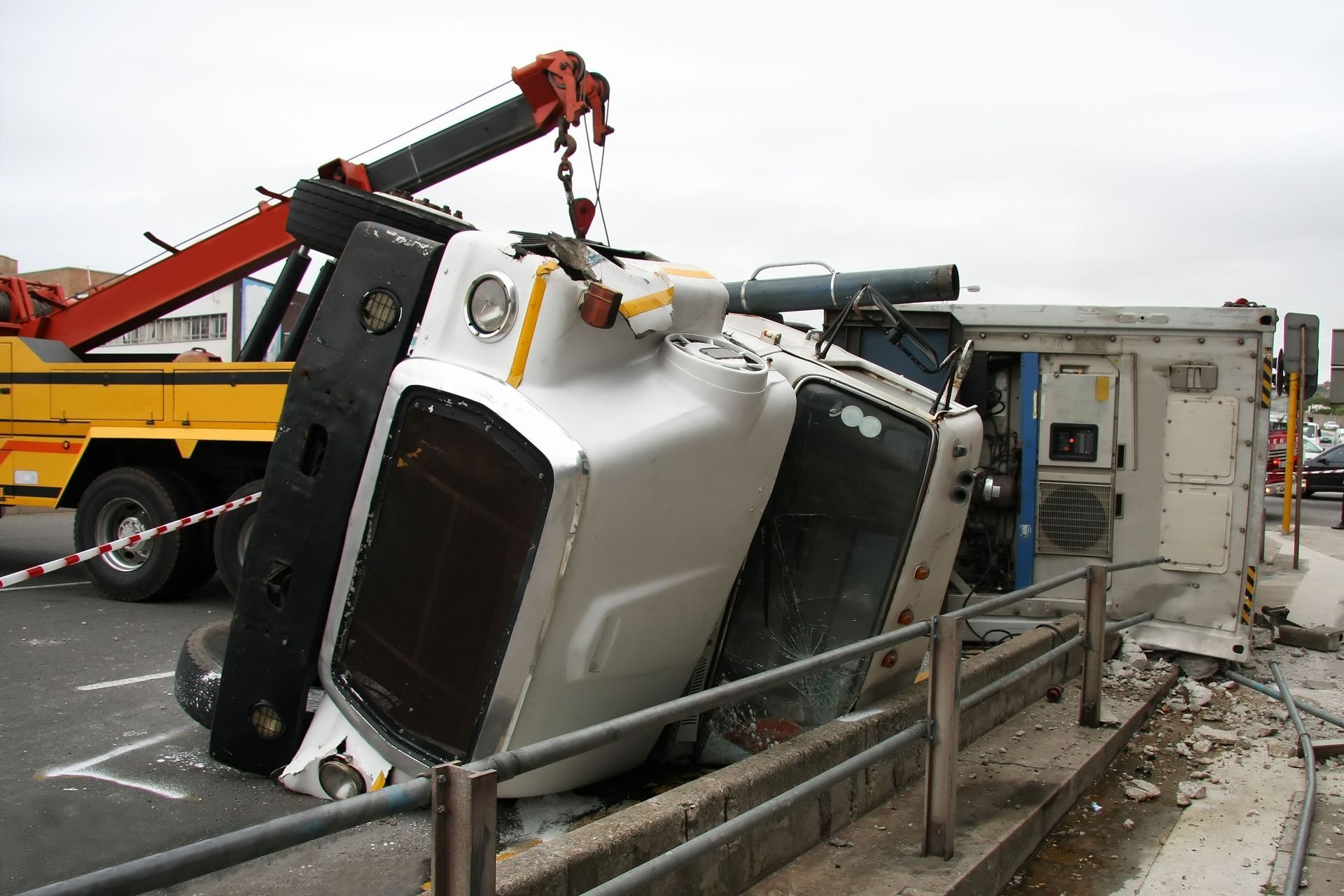
Large vehicle incidents can take various forms, each presenting its unique challenges and requiring tailored approaches for resolution. Common types include overturned trucks, jackknifed tractor-trailers, and multi-vehicle pile-ups involving buses or freight carriers. Factors like weather conditions, road obstructions, and vehicle types contribute to these incidents' complexity. Additionally, incidents between large vehicles can cause substantial damage and necessitate specialized equipment for resolution. Understanding the nature of these events is crucial for developing effective recovery strategies.
1.2. Impact on Traffic and Public Safety
Large vehicle incidents significantly disrupt traffic, leading to extensive delays and increased risk for secondary accidents. Major highways and urban centers can experience gridlock as authorities work to clear the scene safely and efficiently. With the majority of towing incidents due to breakdowns (approximately 45%, according to Zipdo), it highlights the need for swift and effective interventions to restore road conditions. Public safety is a primary concern, as these incidents can pose significant risks to drivers, passengers, and emergency responders. Hence, managing these scenarios requires a coordinated and strategic approach to mitigate their impact.
1.3. The Complexity of Recovery
Recovered operations involve a myriad of complexities beyond those encountered in standard vehicle recoveries. The sheer size and weight of large vehicles demand robust equipment and precise techniques to navigate the delicate task of recovering them. Additionally, these operations often occur under stringent time constraints, pressing recovery teams to act swiftly while ensuring safety protocols are scrupulously followed. Unpredictable factors like vehicle damage severity and environmental conditions further complicate these tasks. The need for precision and strategy underscores the specialized skills required for successful recoveries.
1.4. Logistical Challenges
Logistical challenges are inherent in managing large vehicle incidents, from access constraints to navigating densely trafficked areas. Recovery teams must strategize around limited space, heavy traffic, and potential hazards, which can complicate equipment deployment. Moreover, coordination with local authorities and quick mobilization of personnel and resources are critical to minimizing recovery times. In some cases, incidents can involve multiple jurisdictions, adding layers of complexity to logistics. Efficient logistics planning is, therefore, key to ensuring successful and timely interventions.
2. Key Personnel in Heavy-Duty Recovery Teams
2.1. Recovery Operators
Recovery operators are the backbone of heavy-duty recovery teams, playing a pivotal role in executing incident responses. These individuals are trained in operating specialized vehicles and equipment essential for towing and recovering large vehicles. Their expertise allows them to assess scenes, develop recovery plans, and implement strategies suitable to each incident's specific needs. Recovery operators must also adapt to dynamic environments and work under pressure while prioritizing safety. Their hands-on involvement is critical to maintaining the efficiency and effectiveness of recovery operations.
2.2. Incident Commanders
Incident commanders are responsible for overseeing and coordinating the entire recovery operation, acting as the primary point of contact on-site. They ensure all personnel and equipment are deployed effectively, strategically directing efforts to achieve timely resolutions. Incident commanders are also tasked with maintaining clear communication lines between recovery teams, emergency responders, and any external agencies involved. They must remain adaptable, making quick decisions to address unforeseen challenges or changes in circumstances. Their leadership ensures each recovery operation proceeds smoothly, minimizing risks and maximizing effectiveness.
2.3. Support Personnel
Support personnel, such as spotters, signalers, and ground crew, are indispensable members of recovery teams, each fulfilling crucial roles. Spotters assist in maneuvering recovery vehicles, ensuring safe and precise operations in tight or challenging spaces. Signalers aid communication between team members, particularly important in scenarios with limited visibility or high noise levels. Ground crew members provide essential on-the-ground support, preparing equipment and assisting with setup and execution of recovery plans. Collectively, these roles are vital for maintaining safety and operational fluidity during recovery missions.
2.4. Specialized Experts
In complex or hazardous incidents, the involvement of specialized experts becomes paramount. Engineers can provide technical insights into structural dynamics, aiding in the safe execution of recovery operations. Hazardous materials specialists assess and manage risks related to spills or leaks, deploying containment and cleanup strategies. Their expertise ensures compliance with environmental regulations and minimizes health risks to personnel and civilians. Collaboration with these experts helps address unique challenges efficiently, illustrating the importance of interdisciplinary teamwork in recovery efforts.
3. Tools and Equipment Used in Recovery Operations
3.1. Heavy-Duty Tow Trucks
Heavy-duty tow trucks are the cornerstone of recovery operations, designed to handle the formidable challenges posed by large vehicle incidents. These robust vehicles come equipped with powerful winches, durable booms, and hydraulic systems capable of dealing with the significant weight of large vehicles. Different variations, such as rotators, flatbeds, and integrated tow trucks, offer versatility to match specific recovery needs. The choice of tow truck is often dictated by the nature of the incident, whether it involves lifting overturned vehicles or clearing roadways of obstructions. Mastery of these vehicles is essential for recovery teams to perform their duties effectively.
3.2. Lifting and Rigging Gear
Lifting and rigging gear are indispensable in heavy-duty recovery operations, facilitating the safe manipulation and stabilization of vehicles during recovery. Equipment like cranes, slings, shackles, and spreader bars are employed to distribute weight evenly and prevent further damage during lifting. Proper selection and application of these tools are crucial to avoid compromising vehicle integrity or causing secondary incidents. Skilled operators assess each scenario to determine the appropriate rigging configuration, enhancing safety and efficiency. The strategic use of lifting gear underscores the importance of precision in recovery operations.
3.3. Winches and Pulley Systems
Winches and pulley systems play a vital role in vehicle recovery, providing the mechanical advantage needed to haul vehicles in otherwise challenging conditions. These systems often function as the backbone of towing operations, helping to maneuver vehicles onto recovery platforms. Various winch types, including hydraulic and electric models, offer different levels of power and control suitable for specific recovery scenarios. Pulley systems amplify these capabilities, enabling precise vehicle positioning and movement. Mastery of winch operation is critical for recovery teams to execute successful and safe recovery missions.
4. Strategies and Techniques for Effective Recovery
4.1. Situation Assessment and Planning
Thorough situation assessment and planning are foundational to effective recovery operations, setting the stage for strategic implementation. Recovery teams begin by gathering crucial data, including vehicle type, incident specifics, and environmental conditions, to build a detailed understanding of the scenario. This information informs the development of a customized recovery plan, outlining equipment requirements, personnel allocation, and operational safety measures. Comprehensive planning minimizes uncertainties, ensuring the deployment proceeds smoothly and efficiently. A proactive planning approach is essential to navigating the complexities of large vehicle incidents.
4.2. Safe Site Management
Maintaining a safe working environment during recovery operations is a critical priority, demanding vigilance and adherence to safety protocols. Recovery teams implement strategies such as cordoning off accident areas, managing traffic diversions, and establishing communication channels to ensure site security. Regular on-site assessments serve to identify potential hazards, with teams proactively adjusting measures to mitigate risks. Effective site management underscores the importance of safety as a core tenet of recovery operations.
4.3. Vehicle Stabilization Techniques
Stabilizing vehicles prior to and during recovery is vital, preventing further incidents and ensuring secure handling. Techniques such as using chocks, cribbing, and securing vehicles with rigging systems help establish a stable foundation. Recovery operators assess structural integrity and potential shifting points, taking precautions to counterbalance weight and distribute loads evenly. Advanced stabilization methods, including airbag systems and vehicle-anchoring mechanisms, offer additional support in complex scenarios. Mastery of these techniques is crucial for executing safe and effective recoveries, underscoring the specialized skills of recovery personnel.
Heavy-duty recovery teams play a crucial role in managing large vehicle incidents, contributing significantly to traffic management and road safety. The complexities of these operations demand specialized skills, advanced equipment, and coordinated efforts across multiple agencies. If you want the assurances of a towing company that offers
24 hr heavy duty semi towing, reach out to Synergy Towing & Recovery LLC today!