November 13, 2026
Heavy industrial sectors depend entirely upon the consistent movement of massive capital assets across regional highway systems and specialized job sites. Whether mobilizing hydraulic excavators for major urban infrastructure projects, delivering industrial harvesters to agricultural hubs, or relocating tunnel-boring components for underground utility work, the physical logistics demand flawless coordination. The safe transit of oversized machinery requires a sophisticated understanding of axle weight distributions, route topography, overhead clearances, and municipal transport statutes. Inadequate logistical oversight risks catastrophic equipment damage, widespread structural impact on civic infrastructure, and perilous roadside emergencies.
Modern operations rely on end-to-end management frameworks that integrate heavy tractor units, lowboy configurations, and rigorous safety procedures to protect capital investments during transit. A standard flatbed vehicle cannot safely accommodate high-tonnage earthmovers or top-heavy drilling rigs without exceeding permissible axle ratings or violating federal bridge formulas. Fleet dispatchers must conduct comprehensive feasibility analyses prior to loading, factoring in exact gravitational centers, track footprints, and the structural integrity of every trailer component. Utilizing dedicated equipment towing hauling services ensures that commercial enterprises stay fully compliant with all regional transit departments while shielding their bottom lines from unnecessary mechanical strain and equipment degradation.
Assessing Heavy Machinery Specifications and Route Logistics
Properly categorizing the structural dimensions and mass of an industrial asset forms the cornerstone of every safe commercial relocation project. Heavy earthmoving machinery, track-type tractors, mobile cranes, and agricultural combines present irregular geometries, high center-of-gravity challenges, and distinct wheel configurations that dictate specific transport methods. Transport planners must examine the exact weight metrics, boom orientations, ground clearances, and track widths of each model before dispatching transport vehicles. Calculating axle load distributions according to regional bridge laws protects highway integrity and prevents vehicle chassis failure during high-momentum transit. An inaccurate assessment of gross vehicle weight can damage trailer decking, blow prime-mover tires, or shear coupling pins during unexpected braking sequences.
Transport specialists also conduct exhaustive route surveys to identify potential hazards long before the vehicle departs the staging yard. Mountain passes, low-clearance rail bridges, aged culverts, tight turning radii, and road construction zones present massive obstacles for multi-axle configurations. In these high-risk scenarios, commercial logistics teams coordinate with local utility companies and municipal transportation authorities to obtain superload permits and arrange required pilot vehicle escorts. Deploying high-grade equipment towing hauling apparatus ensures that heavy industrial assets clear all overhead obstructions safely and negotiate sharp roadway angles without striking roadside barriers. Professional operators continually recalibrate travel paths around dynamic infrastructure limitations, preserving the structural integrity of both public assets and private machinery.
Selecting Specialized Rigging Configurations and Multi-Axle Trailers
Selecting the appropriate trailer platform is essential for balancing heavy freight, ensuring highway clearance, and maintaining highway stability. Commercial heavy-haul providers maintain diverse trailer configurations designed specifically to transport massive, irregularly shaped industrial machinery across rough roads. Removable gooseneck trailers, commonly known as lowboy units, offer dropped-deck wells that keep tall machinery low enough to clear municipal power lines, highway overpasses, and overhead sign gantries. For exceptionally heavy loads, hydraulic platform trailers and multi-axle perimeter trailers distribute intense downward force across dozens of individual pneumatic wheels, reducing pavement stress. Matching the exact load characteristics of an asset to the structural capacity of the trailer prevents trailer bowing, frame twisting, and dangerous load instability.
Securing these colossal loads requires advanced rigging materials and systematic attachment procedures executed by certified loadmasters. Industrial grade-100 transport chains, heavy-duty ratchet binders, steel turnbuckles, and specialized D-ring tie-down assemblies prevent equipment from shifting under dynamic cornering forces. Every chain angle must be calculated to resist forward, rearward, lateral, and vertical momentum during transit on varied road surfaces. Incorporating dependable equipment towing hauling infrastructure guarantees that each securing point complies with strict Department of Transportation working load limit formulas. Skilled rigging crews regularly monitor binder tensions and chain links at designated roadside checkpoints, confirming that vibrations from the road have not loosened any primary tie-down assemblies.
Implementing Telematics, Remote Diagnostics, and Stabilizing Systems
Digital technology has transformed modern heavy transport into a precise, data-driven logistical science. Advanced telematics platforms installed inside transport vehicles transmit real-time telemetry concerning vehicle velocity, engine performance metrics, transmission temperatures, and exact geographic positioning directly to logistics managers. Dispatchers continuously evaluate satellite tracking information alongside active meteorological reports and highway congestion updates, allowing them to reroute heavy convoys around unexpected weather systems or road accidents. Proactive tracking also gives project managers accurate arrival times, allowing crane operators and receiving crews on industrial sites to coordinate staging operations without experiencing costly idle time.
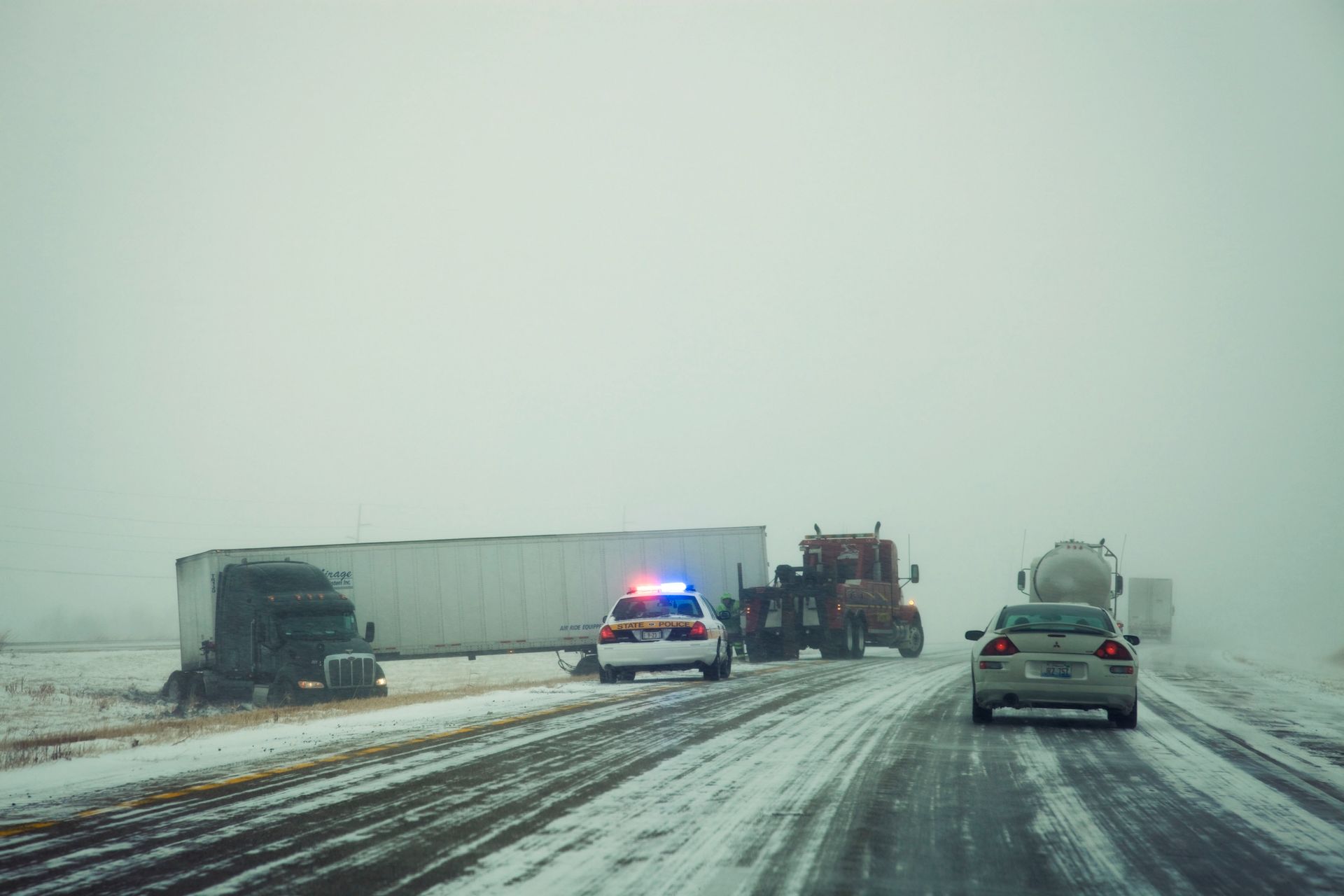
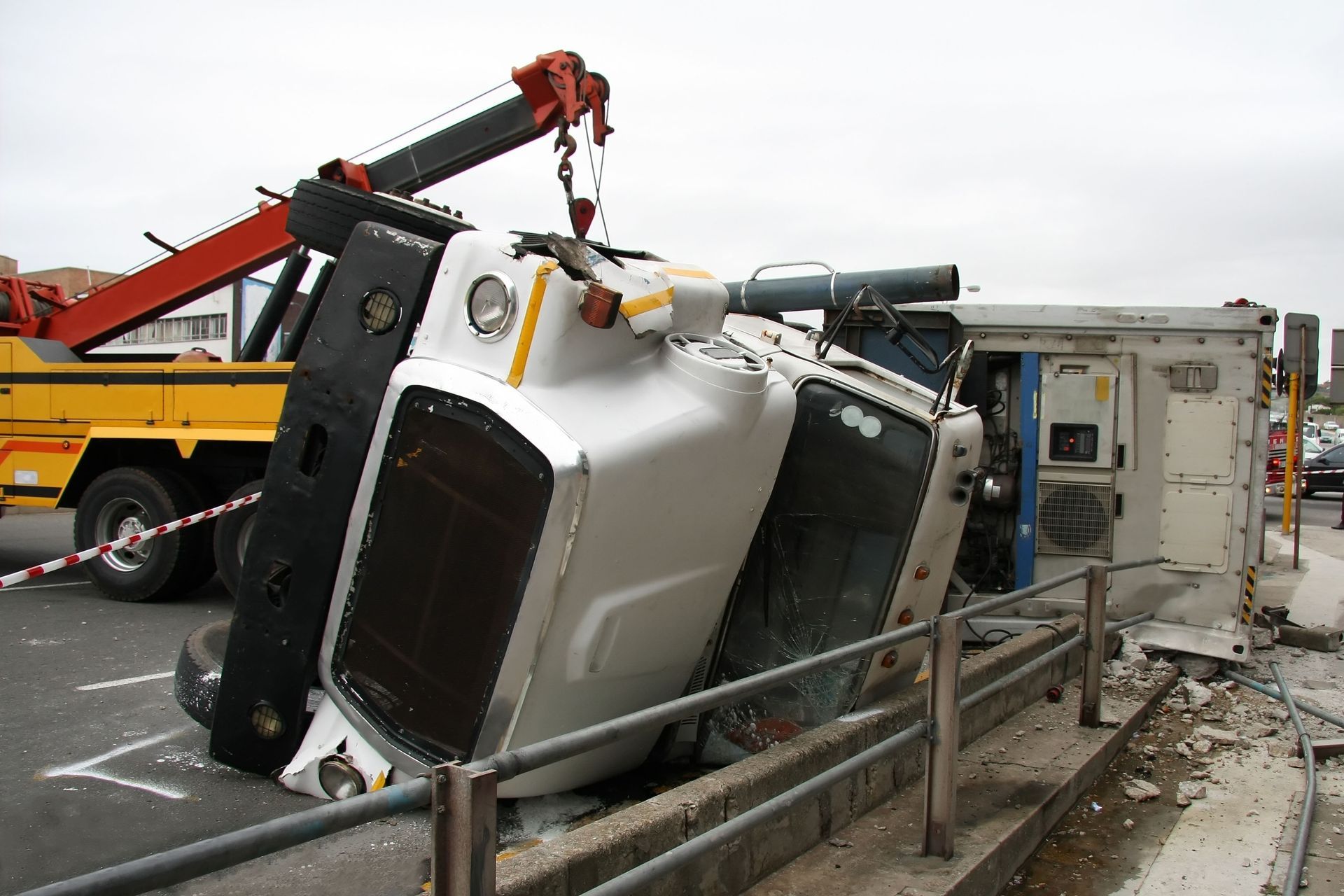
Mechanical failures and breakdowns constitute a large portion of roadside incidents. According to Zipdo, breakdowns account for about 45% of such incidents, with 25% due to accidents. Addressing these challenges requires a combination of skilled personnel, specialized equipment, and contingency planning. Advanced commercial rigs feature dynamic remote diagnostics that inspect tire pressures, axle temperatures, and air brake line pressures continuously while moving. Automated load-stabilization technology and electronic air-ride suspensions automatically adjust trailer height and weight distribution when negotiating cambered road sections or steep road inclines. Modernizing heavy-haul fleets through equipment towing hauling innovations significantly reduces unexpected mechanical stress, helping complex industrial logistics projects stay on schedule and prevent roadside failures.
Maintaining Regulatory Compliance and Comprehensive Safety Protocols
Adhering to strict federal and state transportation mandates protects public safety and shields logistics firms from severe operational penalties. Heavy transport providers must obtain proper oversized permits, route-specific travel authorizations, and time-of-day travel waivers from state departments of transportation. Specific rules govern the use of escort pilot cars equipped with roof-mounted warning lights, safety flags, and high-reaching clearance poles to guide convoys through narrow corridors. Non-compliance with legal axle thresholds or traveling outside approved time windows can prompt immediate roadside impoundment, hefty statutory fines, and project delays. Licensed commercial carriers work directly with regulatory authorities to ensure every mile of travel remains in full compliance with the law.
Safety protocols also depend upon the certified technical competence of professional heavy-haul drivers and riggers. Commercial operators complete comprehensive training regimens covering emergency braking techniques, evasive driving maneuvers, blind-spot management, and hazardous weather navigation. Before leaving the yard, drivers perform rigorous pre-trip inspections that examine kingpins, brake chambers, air hoses, electrical connections, and securing devices. Applying systematic equipment towing hauling standards ensures that every safety device functions flawlessly under full operational load. Establishing well-rehearsed contingency protocols empowers drivers to manage mechanical faults, tire blowouts, or unexpected route detours without compromising worker safety or endangering other motorists.
Evaluating Economic Efficiency and Infrastructure Conservation
Managing heavy industrial transportation requires balancing project budgets with the environmental impacts of operating massive vehicle convoys. Operating heavy prime movers burns substantial amounts of diesel fuel, generating significant operational expenses for fleet management teams. Transport firms improve fuel efficiency by using aerodynamic tractor units, low-rolling-resistance tires, and smart route-optimization software that cuts unnecessary transit miles. Streamlining travel itineraries not only lowers carbon emissions across regional transit corridors but also reduces overall machine wear on heavy transport assets. Choosing modern equipment with optimized gear ratios and low-emission engines helps enterprises achieve corporate sustainability goals without sacrificing transport power.
Transporting high-tonnage assets responsibly also protects public bridges, roads, and municipal utility installations from accelerated degradation. Heavily concentrated loads that exceed local roadway weight allowances can crack asphalt surfaces, distress bridge joints, and damage sub-surface utilities. Professional transport planners coordinate directly with local highway authorities to identify approved heavy-haul transit routes and reinforce vulnerable bridge crossings with load-spreading equipment when necessary. Adopting specialized equipment towing hauling methodologies helps commercial businesses avoid costly civil liability claims, protects public roads, and keeps surrounding communities safe. Strategic logistical budgeting and disciplined route management ensure that massive capital machinery moves efficiently between project sites without creating financial or civic burdens.
Selecting an experienced commercial carrier remains the most effective strategy for managing oversized freight operations and preventing unforeseen roadside incidents. With certified heavy-haul specialists managing every detail, industrial project leaders can focus entirely on job-site productivity, knowing their high-value equipment will arrive on time and intact. When your operations require professional
equipment towing hauling services that deliver reliability and technical precision, contact Synergy Towing & Recovery LLC to schedule your specialized transport logistics and secure your heavy machinery investments.